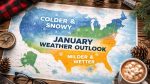
Winter is making a fierce comeback. Officials have issued winter weather alerts across eight U.S. states, warning residents to brace for heavy snowfall, dangerous travel conditions, and widespread disruptions. Up to six inches of snow could accumulate in some areas, depending on elevation and storm track.
Here’s what you need to know, what’s coming, what dangers to expect, and how to stay safe.
Table of Contents
What Weather to Expect this Season
- Snow accumulation: Many regions in the alert zones may see 4 to 6 inches of snowfall. Some higher elevations or localized pockets could see even more.
- Timing & duration: The snowfall is expected to arrive late in the evening (or overnight) and continue into the next day. The heaviest snow may fall in a narrow window of several hours.
- Temperature drop: Expect sudden dips in temperature, surface roads can freeze quickly, creating slick, icy conditions even after the snow has stopped.
- Wind & visibility: Gusty winds may lead to blowing snow, drastically reducing visibility on roads and open terrain. Drifting snow could block lanes.
- Mixed precipitation zones: In transitional areas, sleet or freezing rain may mix in, making conditions more treacherous.
How It Affects Everyday Life

As the snowstorm approaches, the most immediate concern for residents across the eight affected states will be travel disruptions. Roads are expected to become slick, icy, and snow-packed, especially on bridges and overpasses that freeze faster than ground-level streets. Visibility could drop sharply in open rural stretches or higher elevations, creating whiteout conditions that make driving treacherous. Travelers should also brace for widespread delays or cancellations affecting flights, trains, and bus services. Snowdrifts and blocked lanes may slow or even halt traffic, causing significant congestion in both urban and rural areas.
The storm’s heavy, wet snow also poses a threat to power and utility systems. Accumulated snow on tree branches and power lines can lead to breakages and outages, leaving many homes without electricity or heating. With temperatures expected to plunge further, heating systems will be under severe strain, and backup sources such as generators or alternative heaters may be heavily relied upon. This can increase both the demand for fuel and the risk of safety issues related to improper ventilation.
Daily routines will also face considerable disruption as schools, workplaces, and public services are expected to close or operate on limited schedules. Residents could find mail delivery, garbage collection, and courier services delayed or suspended until conditions improve. Even emergency services, such as ambulances and fire departments, may experience longer response times due to difficult driving conditions and blocked routes, particularly in smaller towns and remote areas.

Health and safety concerns are also rising as residents prepare to face prolonged exposure to freezing conditions. The risk of hypothermia and frostbite increases significantly when individuals remain outdoors without proper clothing or protection. Slips and falls on icy sidewalks and driveways are common during such weather, leading to fractures and injuries. Furthermore, overexertion while shoveling heavy snow can place dangerous strain on the heart, especially for older adults or those with existing medical conditions. Health experts advise taking frequent breaks, staying hydrated, and avoiding unnecessary physical effort during and immediately after the storm.
Precautions & Preparedness for This Weather
Before the storm
- Stay informed: Monitor local weather advisories, road closures, and alerts via radio, apps, or news outlets.
- Stock up: Ensure you have essentials, nonperishable food, water, prescription meds, flashlights, batteries, blankets, and first-aid kit.
- Fuel up: Fill car and generator fuel tanks early.
- Prepare your home: Insulate exposed pipes, clean gutters, secure loose outdoor items, trim tree limbs close to power lines.
- Check your vehicle: Keep winter gear (ice scraper, shovel, blanket, cat litter or sand for traction) in your car. Ensure tires are appropriately inflated and in good condition.
During the storm
- Avoid unnecessary travel. If you must drive, go slow, leave plenty of distance, use headlights, and stay on main roads.
- Dress in layers: Wear a waterproof outer shell, insulated layers, hat, gloves, warm boots.
- Keep dry: Avoid getting wet — wet clothes worsen heat loss.
- Stay inside: Keep pets and family indoors as much as possible.
- Use heat carefully: If using portable heaters or generators, ensure proper ventilation to avoid carbon monoxide poisoning.
After or between snow bouts
- Clear snow safely: Shovel or snow-blow promptly to avoid buildup. Take breaks and don’t overexert.
- Watch for ice: After snow melts or refreezes, watch for black ice, especially on sidewalks, stairs, driveways.
- Check on neighbors: Especially elderly or disabled neighbors may need assistance.
- Report downed lines or hazards: Report to utility or municipal services immediately.
- Stay cautious: Even after skies clear, roads may remain dangerous for a while.
Why This Storm Matters & What’s at Stake
- The scale across eight states makes this more than a local blip, it’s a regional disruption.
- Impacts will ripple into multiple sectors: transportation, commerce, public safety, energy.
- For rural communities with fewer resources and longer response times, dealing with power outages, blocked roads, and limited emergency access can become especially serious.
- If infrastructure is vulnerable (aging power grids, limited snow removal capacity), damage can last beyond the snow event.
States Getting Affected
The eight states under winter weather alerts in that report are:
- Alaska
- Colorado
- New York
- Vermont
- New Hampshire
- Pennsylvania
- Maine
- Massachusetts
Safe-Living Mindset
This upcoming snowstorm is not just a weather story, it’s a test of preparedness, community resilience, and personal caution. While many will see only inconvenience, for some it could escalate into serious danger.

If you are in one of the affected states:
- Prioritize safety over mobility.
- Plan ahead now, not during the worst of the storm.
- Stay connected, in touch with neighbors, officials, media.
- And most importantly, stay calm and prudent.