The Old Farmer’s Almanac has published its long-range January weather outlook, providing an early snapshot of how winter conditions may shape the month across different parts of the United States. Rather than focusing on daily weather events, this outlook emphasizes broader temperature and precipitation patterns, helping readers understand how January may generally unfold.
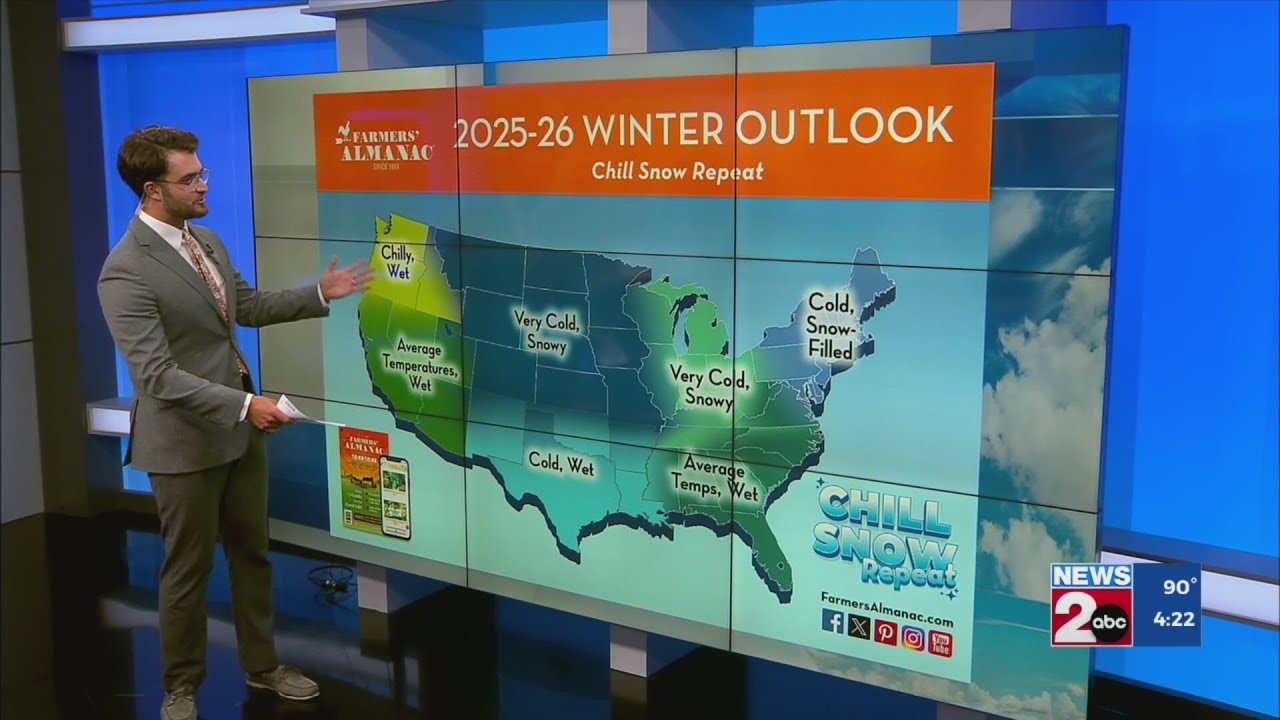
The forecast points to a winter month marked by strong regional contrasts. Northern states are expected to experience prolonged cold spells and periodic snowfall, while southern and coastal regions may see more variable conditions, including milder temperatures interrupted by occasional cold fronts. These differences reflect long-established winter climate behaviors influenced by geography, latitude, and prevailing atmospheric patterns.

Importantly, the Almanac’s January outlook is intended for seasonal awareness and preparation. It offers guidance for long-term planning rather than precise predictions, making it useful for households, travelers, energy planners, and businesses seeking to anticipate winter-related challenges.
Table of Contents
How the Almanac Develops January Forecast
The Old Farmer’s Almanac follows a forecasting approach that differs significantly from modern meteorological models. Instead of relying on satellite imagery or short-term atmospheric data, the Almanac uses a blend of historical climate records, long-term weather pattern analyses, and observations of solar cycles.
January is divided into several multi-day segments rather than being forecast day by day. Each segment reflects likely trends, such as colder-than-normal temperatures, periods of moderation, or increased chances of snow or rain. This method allows the Almanac to highlight broader seasonal rhythms rather than short-lived weather fluctuations.

Because of this approach, the forecast does not include exact temperature readings or storm dates. Instead, it provides a structured overview of how winter conditions may evolve across early, mid, and late January, offering a broader perspective on seasonal weather behavior.
For many in the Appalachian Mountains superstition is an important part of the weather.
Every December, legend states, that the amount of frosts you see during the month will dictate how much rain you’ll see in January. This specific superstition dates back to old Dutch… pic.twitter.com/WKEJQ23Cvz
— The Appalachian Podcast (@GetOnTap) December 22, 2025

January Weather Timing Patterns
The overall January outlook suggests a familiar winter pattern for much of the country. Early January is expected to bring stronger cold outbreaks, particularly in northern and inland regions. Snow, icy conditions, and increased wind chills in some areas may accompany these cold spells.
As the month progresses, mid-January may bring temporary relief in several regions. Slightly milder temperatures, reduced snowfall, and occasional sunny periods are possible, though these conditions are not expected to last long. Late January may see renewed instability, with colder air masses returning and precipitation becoming more widespread.
This progression reflects the natural variability of winter weather, where brief warming periods often interrupt longer stretches of cold before winter conditions reassert themselves.
Regional Winter Weather Conditions
January weather varies greatly across the United States, and the Almanac’s outlook emphasizes how regional geography influences winter conditions.
The Northeast and Great Lakes are expected to face a particularly cold start to January, with inland areas more prone to snowfall than coastal locations. Lake-effect snow may play a role in parts of the Great Lakes region, contributing to localized heavy snowfall.
Mid-month conditions could offer short-lived moderation, including clearer skies and slightly higher daytime temperatures. However, colder air is expected to return later in the month, bringing renewed chances for snow or mixed precipitation.
The Midwest and Plains are forecast to experience cold temperatures early in January, often intensified by strong winds that increase wind chill effects. Snowfall is likely to be intermittent rather than continuous, with some areas experiencing brief breaks between systems.
Mid-January may bring fluctuating temperatures, but late January could introduce another round of colder weather, along with mixed precipitation depending on local conditions.
Southern states may begin January cooler than average, but relatively dry. As mid-month approaches, temperatures are expected to rise, increasing the likelihood of rainfall rather than snow in most areas.
Late January may bring short-lived cold snaps, particularly in the northern portions of the Southeast, though prolonged winter weather is less likely than in northern states.
The Pacific Northwest is expected to remain unsettled throughout much of January. Periodic rainfall systems may move through lowland areas, while higher elevations may experience recurring snowfall.
Mid-month moderation may briefly reduce precipitation, but late January is expected to bring renewed activity, consistent with typical winter storm tracks in the region.
Much of the Southwest is forecast to remain dry during January, with cooler temperatures but relatively stable conditions. Desert areas may experience chilly nights, whereas higher elevations may experience occasional snowfall.
Late January may bring slight cooling, though major winter storms are not expected to be widespread.
State-Level January Weather Expectations
Although the Almanac emphasizes regional patterns, its state-level outlook offers additional clarity.
- In New York, January may begin with cold and snow, transition to milder conditions mid-month, and end with a return of mixed winter precipitation.
- Ohio is expected to follow a similar pattern, with early snow, a brief warming period, and renewed winter weather later in the month.
- In Virginia, colder conditions early on may give way to milder, wetter weather before possible late-month snowfall.
- Texas is likely to experience mostly mild conditions overall, interrupted by passing cold fronts that bring brief temperature drops.
- California may see cooler conditions in northern regions, drier weather in the south, and periodic snowfall in mountainous areas.
Planning for January Weather Conditions
While we should not rely on the Almanac’s winter weather outlook for daily planning, it can inform seasonal preparation. Households in colder regions may face higher heating demands during early and late January, potentially increasing energy consumption.
Travel disruptions are more likely during snow-prone periods, particularly in the Midwest and Northeast. Businesses that rely on transportation, construction, or outdoor operations may benefit from anticipating these broader weather patterns when planning schedules and resources.
Understanding the Limits of Long-Range Forecasts
Long-range forecasts, including those from the Old Farmer’s Almanac, focus on identifying overall trends rather than predicting exact weather events. They are most effective when used as a supplementary planning tool.
Modern meteorological forecasting can only determine exact snowfall amounts, storm timing, and temperature extremes with increasing lead times. For safety-related decisions, local weather services remain the most reliable source of information.
Final Perspective on January’s Weather Outlook
The Old Farmer’s Almanac’s January forecast presents a winter month shaped by contrast and variability. Northern states are expected to experience colder, snowier conditions, whereas southern and coastal regions may experience more moderate, fluctuating weather. Early cold spells, brief mid-month moderation, and late-month instability form the core of the outlook.
When interpreted correctly, this long-range forecast provides valuable seasonal insight, helping readers prepare for winter’s challenges while reinforcing the importance of up-to-date local forecasts for everyday decisions.